

Coming to iOS and Android
A Japanese village to bring back
Haru Harbor is set in a village by the water in Japan: thatched houses, rice terraces, a river, a harbor, a tea house and a ferry. The year follows the Japanese seasons.
Pre-register for one email at launchYour grandmother has left you her old house in the village. The rice terraces have run wild, the tea house is closed, and the ferry has not sailed in years. You bring it all back, one calm day at a time, and the old neighbours come home.
Everything in the village is Japanese and made with care: the goods, the fish, the koi and the festivals. Festivals come at the right time of year, names follow the Hepburn spelling, and the game shows no real shrines or temples.
What you do
Japanese everyday life by the water
Rice and its chains
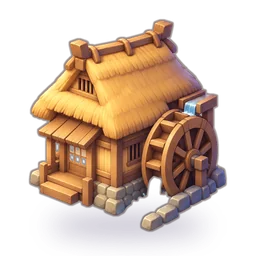
Glutinous rice becomes flour, and flour becomes mochi and dango. Soybeans become tofu and miso, tea leaves become matcha.
The tea house
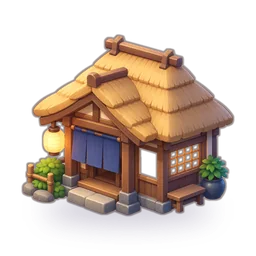
Welcome guests, build up the tea house’s reputation and unlock new decorations for its garden.
Washi paper
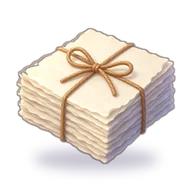
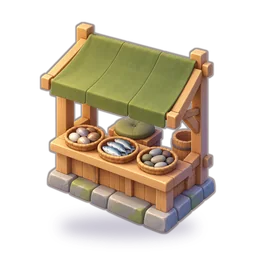
The bark of the paper mulberry becomes washi paper, one of around 200 goods in short chains.
Twelve festivals
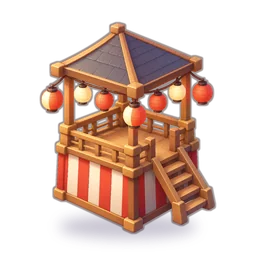
From New Year and plum blossom to Hanami, Tanabata, Obon, moon viewing and Momiji. Only one runs at a time.
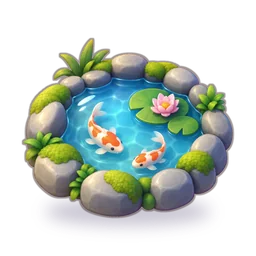
Koi
Breed koi in your pond and discover new patterns, 16 in all.
Kawa the otter
A friendly otter merchant who buys what is left over and offers fair deals every day.
The year
Twelve festivals, one at a time
The year follows the seasons of Japan, from New Year and plum blossom to cherry blossoms, lantern nights, moon viewing and the first snow.
- Shōgatsu New Year
- Setsubun and Plum Blossoms
- Hinamatsuri
- Hanami Cherry Blossoms
- Kodomo no Hi
- Rainy Season
- Tanabata and Summer Fireworks
- Obon and Bon Dance
- Tsukimi Moon Viewing
- Autumn Harvest
- Momiji Autumn Leaves
- Winter Lights
Nothing is missed for good: when a festival is over, its decorations come back later in the return shop.
Neighbours
The people of the village
Fourteen villagers live by the water. They stroll by with wishes, write you letters and lend a hand when nobody else can.

Kawa the Otter
A friendly otter merchant who buys unsold goods and offers fair deals.
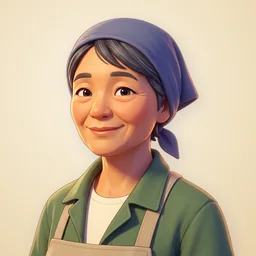
Fumi the Gardener
A kind gardener who helps with community requests when no player can.

Grandma Satō
A warm-hearted grandma who knows every story the village has to tell.

Kenji
A hardworking rice farmer who always asks how your terraces are doing.
Questions
Questions
Is there a farming game set in Japan?
Yes: Haru Harbor is a cozy farming and village game in a Japanese village by the water, coming to iOS and Android. You grow rice on terraces, run a tea house, fish, breed koi and celebrate twelve festivals of the Japanese year.
What does the name Haru Harbor mean?
“Haru” means spring in Japanese, the season of new beginnings. “Harbor” brings the water into the name.
Is the game in Japanese?
Today Haru Harbor speaks English and German. Japanese, French, Spanish, Brazilian Portuguese, Italian and Korean are planned.
Which festivals are in the game?
Twelve, in the order of the year: New Year, Setsubun and plum blossoms, Hinamatsuri, Hanami, Kodomo no Hi, the rainy season, Tanabata and summer fireworks, Obon and the Bon dance, Tsukimi moon viewing, the autumn harvest, Momiji and winter lights.
Be there at launch
Haru Harbor is coming to iOS and Android. Pre-register and we write to you once, on the day it is out in your store.